March 23, 2026
Car window tinting represents a popular vehicle modification that many drivers consider but often question whether the investment justifies the costs and potential complications. The decision involves weighing multiple factors, including heat reduction, privacy benefits, UV protection, legal compliance, quality variations, and long-term value that tinting provides throughout vehicle ownership. Many people base decisions on incomplete information, focusing only on appearance or single benefits without understanding the comprehensive advantages that quality installation delivers. Understanding what tinting actually provides, what differentiates quality from poor installations, and whether benefits align with your priorities helps you make informed decisions about this popular vehicle enhancement. The difference between tinting that proves worthwhile and installations that disappoint often comes down to realistic expectations, quality materials, professional installation, and whether the specific benefits tinting offers matter to your particular situation and driving patterns.
Understanding Heat Reduction Benefits
According to Grand View Research, North America accounted for more than 33% of the global automotive tinting film market's revenue share in 2024. Quality car window tinting dramatically reduces solar heat gain, which makes vehicle interiors uncomfortably hot during summer months and forces air conditioning systems to work harder, maintaining comfortable temperatures. This heat rejection creates noticeably cooler cabins requiring less air conditioning, which directly improves fuel economy during hot weather when cooling demands significantly impact consumption. The temperature difference becomes particularly apparent when entering vehicles parked in direct sunlight, as tinted cars remain substantially cooler than untinted vehicles subjected to identical conditions. For drivers in hot climates or those who frequently park outdoors without shade, heat reduction alone often justifies tinting investment through improved comfort and reduced cooling costs accumulated over years of ownership.
Ultraviolet radiation streaming through untinted windows causes skin damage, accelerates interior material deterioration, and creates health risks that quality tinting eliminates or substantially reduces. Premium films block up to 99 percent of harmful UV rays that cause skin cancer, premature aging, and other sun damage affecting drivers and passengers during daily commutes and long trips. This protection proves especially valuable for people spending substantial time in vehicles or those with heightened sun sensitivity requiring maximum protection from prolonged solar exposure. Beyond health benefits, UV blocking prevents the fading, cracking, and deterioration that sunlight causes to dashboards, upholstery, and other interior materials that expensive repairs cannot fully restore once damage occurs from years of unfiltered sun exposure.
Considering Privacy and Security Advantages
Tinted windows prevent passersby from easily viewing vehicle interiors, deterring theft by concealing valuables and making vehicles less attractive targets for criminals seeking visible items to steal. This privacy proves particularly valuable when storing packages, electronics, or other belongings in vehicles during errands or travel, when removing everything becomes impractical or impossible. Professional car window tinting provides privacy while maintaining driver visibility, balancing obscuration of interior contents with the outward visibility necessary for safe operation. Additionally, window film holds shattered glass together during accidents or break-in attempts, preventing dangerous fragments from spraying throughout interiors and making forced entry more difficult as criminals cannot easily clear glass from frames after breaking windows.
Every state imposes specific regulations governing how dark window tinting can be, with violations resulting in tickets, failed inspections, or requirements to remove illegal tinting at your expense. These laws vary significantly by jurisdiction, typically specifying different limits for front side windows versus rear windows and back glass that affect what darkness levels remain legal. Understanding your state's regulations before installation prevents investing in tinting that violates laws and requires expensive removal and replacement with compliant films. Reputable installers know local regulations and refuse to install illegal tinting regardless of customer requests, while questionable operators may install whatever darkness you want without warning about the legal consequences you'll face during traffic stops or vehicle inspections.
Comparing Film Types and Quality Levels
Tinting technologies range from basic dyed films to advanced ceramic options, with substantial performance differences justifying price variations between economy and premium products that affect long-term satisfaction. Dyed films provide basic privacy and some heat rejection at the lowest costs, but fade over time and offer limited UV protection compared to premium alternatives that maintain performance throughout warranty periods. Metalized films improve heat rejection and durability but may interfere with electronic signals, including GPS, cellular, and radio reception that modern drivers depend on for navigation and communication. Ceramic films represent premium options providing superior heat rejection, UV protection, and clarity without electronic interference, making them worthwhile investments despite higher initial costs for customers prioritizing maximum performance and longevity from their car window tinting.
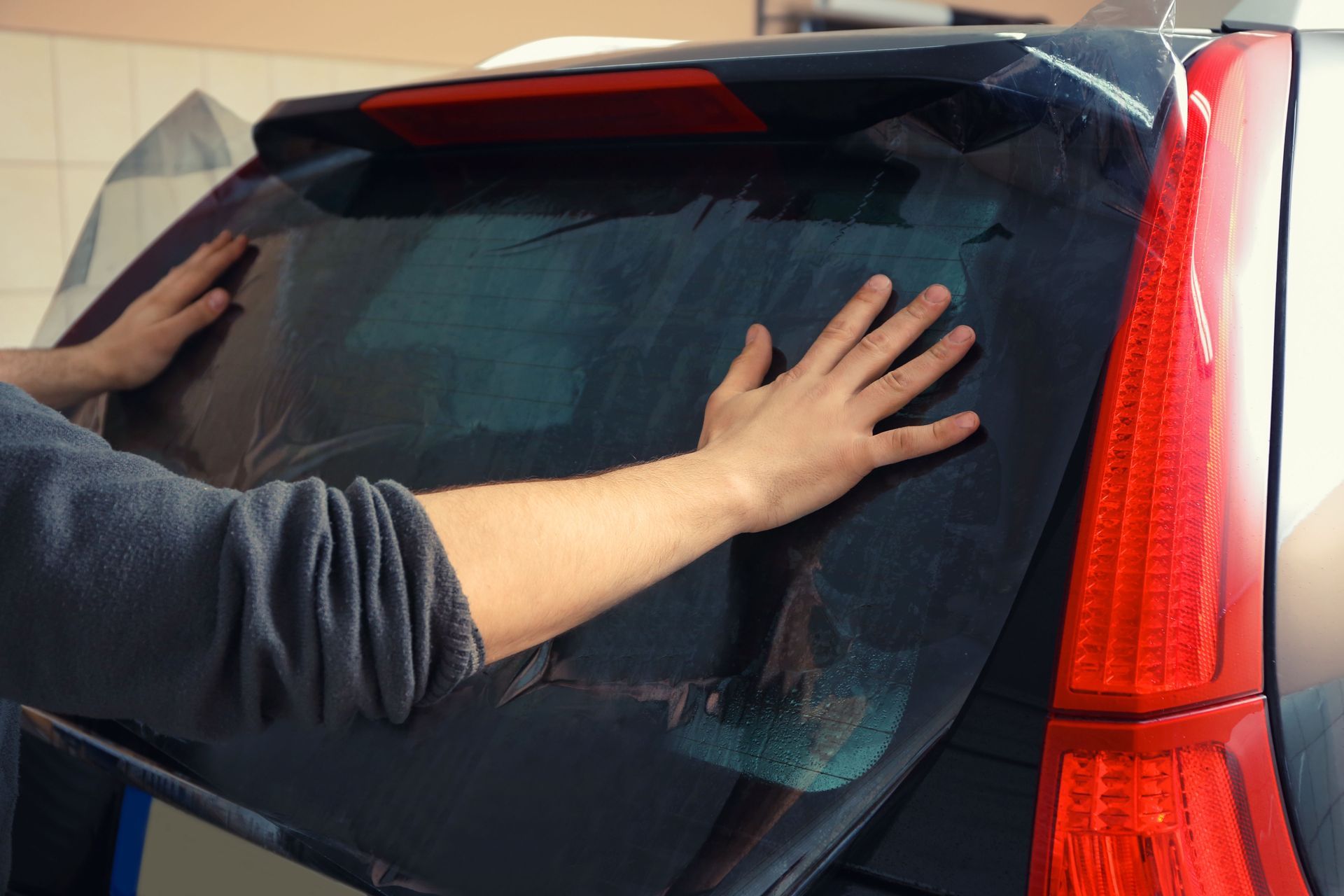
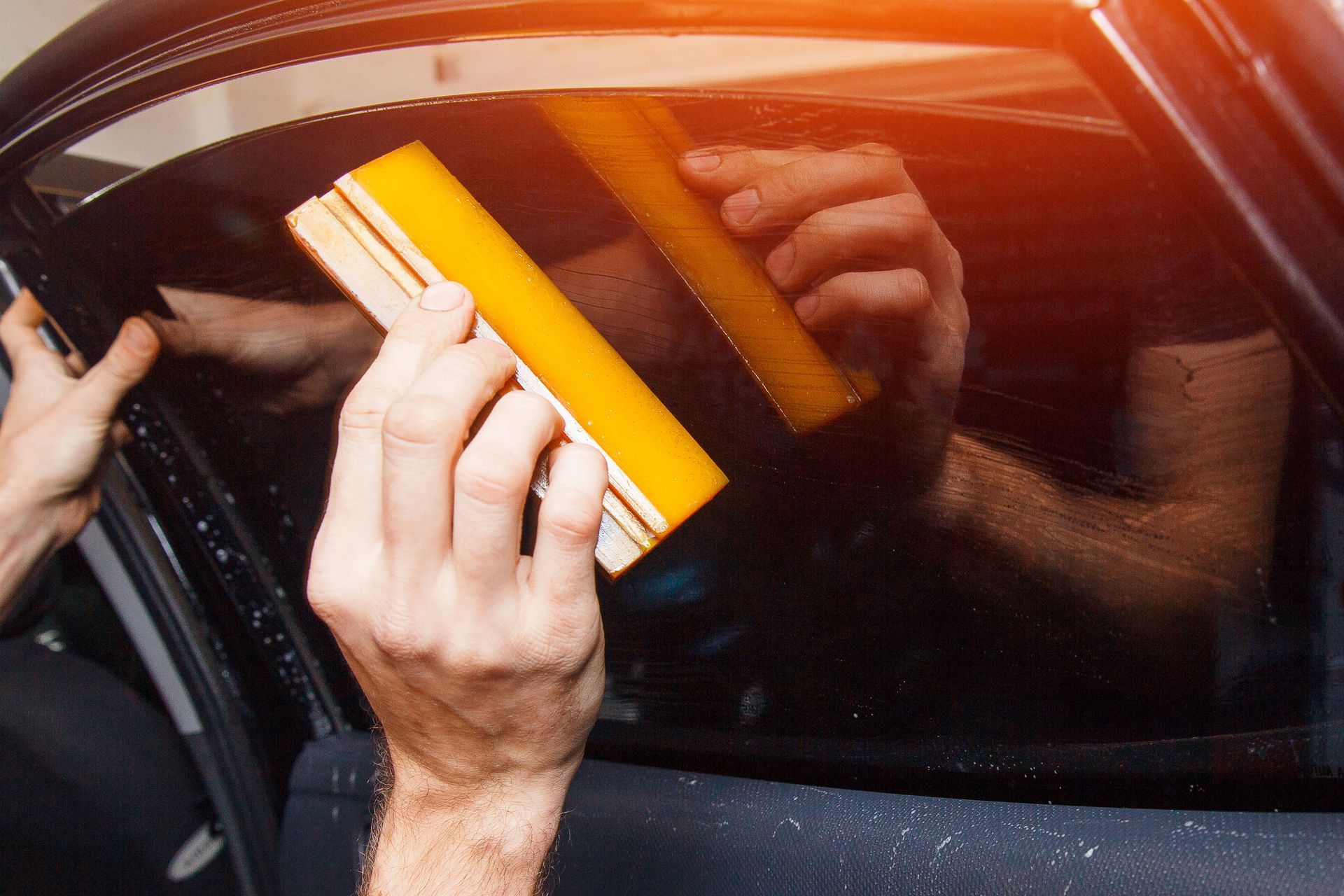
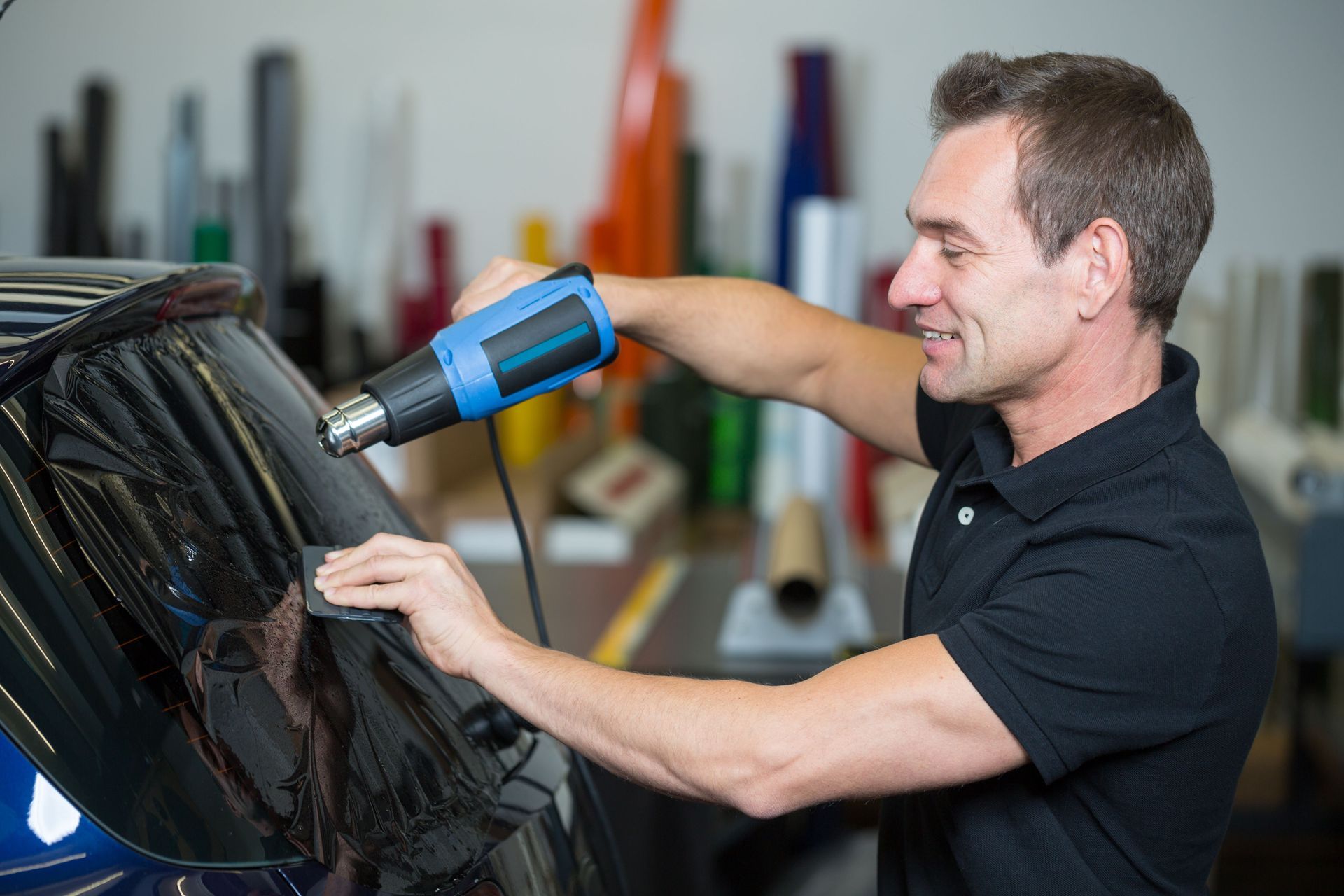
Professional installation quality dramatically affects tinting performance, appearance, and longevity, making provider choice as important as film quality when investing in window modifications. Experienced installers properly clean glass, apply films without bubbles or creases, and precisely trim edges for seamless appearances that inferior work cannot match, regardless of film quality. Poor installation creates bubbles, peeling edges, and purple discoloration as films degrade prematurely due to improper application techniques or inadequate surface preparation that doom even quality films to early failure. The difference between installations that look professional and last throughout warranty periods versus those failing prematurely often comes down to installer experience and whether they follow proven techniques rather than cutting corners to complete jobs quickly at minimal cost.
Understanding Warranty Coverage and Limitations
Quality films include manufacturer warranties covering defects like bubbling, peeling, or fading, while installers typically provide separate workmanship warranties covering installation quality and adhesion. These warranties vary dramatically in duration and coverage, with premium films often carrying lifetime protection while economy options may include only limited warranties of few years. Understanding exactly what warranties cover, how long protection lasts, what actions void coverage, and whether warranties transfer to subsequent owners if you sell your vehicle ensures you receive the protection you're paying for through professional car window tinting. Be cautious of installers who cannot or will not provide written warranty documentation, as verbal promises prove worthless when problems develop and you need actual warranty service or replacement.
The value of car window tinting depends heavily on your specific situation, including climate, how much time you spend in your vehicle, where you park, your privacy concerns, and how long you plan to own your car. Drivers in hot sunny climates spending significant time in vehicles parked outdoors receive maximum benefit from heat reduction and UV protection that justifies investment through daily comfort improvements and interior preservation. Those in moderate climates with covered parking may find benefits less compelling, though privacy and security advantages still provide value regardless of weather considerations. Honestly assessing your priorities and whether tinting addresses real concerns rather than just appearing attractive helps you determine if this modification makes sense for your particular circumstances and whether benefits justify costs for your specific usage patterns.
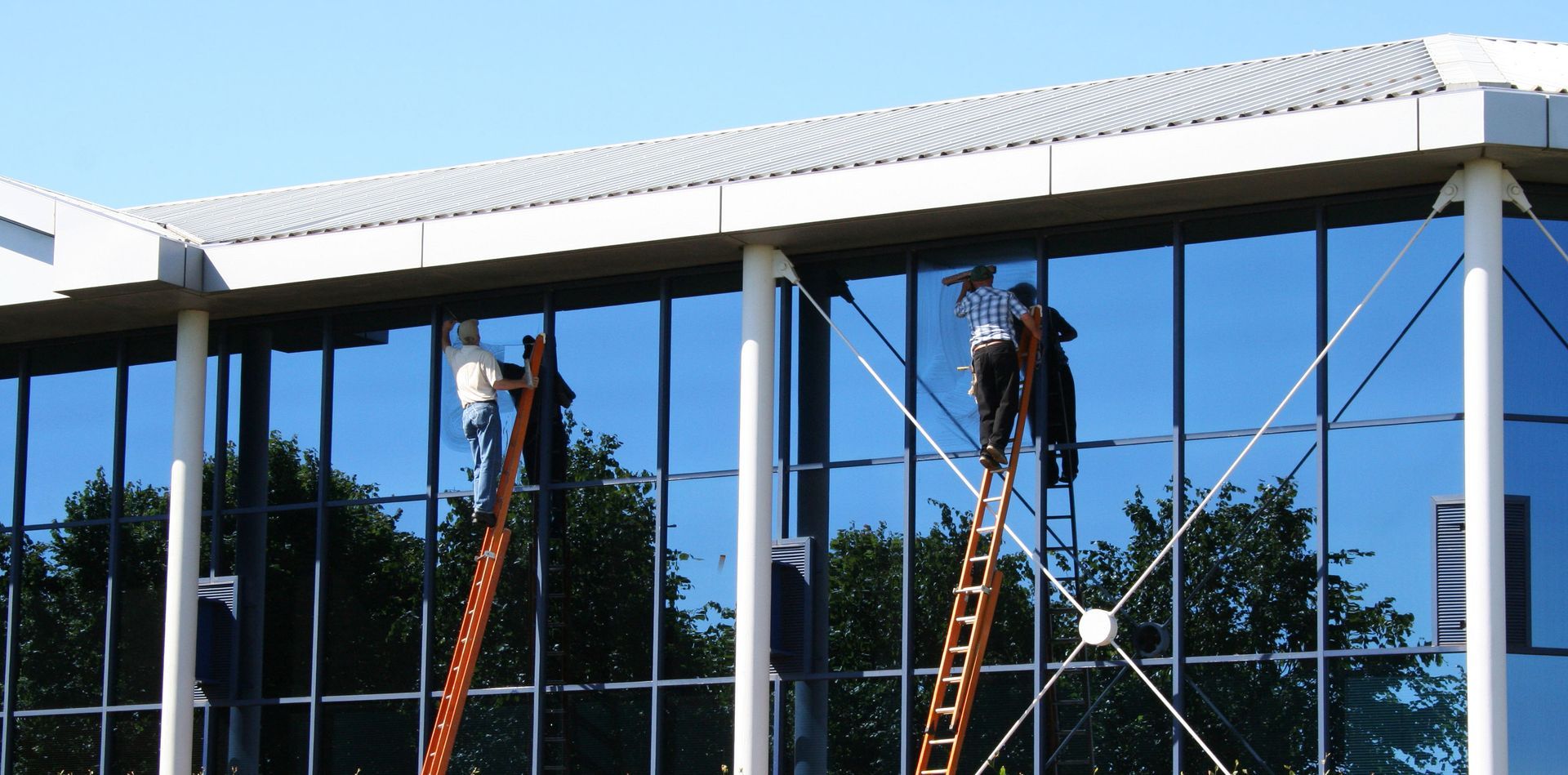
Deciding whether car window tinting represents a worthwhile investment requires understanding the comprehensive benefits it provides, what differentiates quality from poor installations, and whether specific advantages align with your priorities and driving situation. For many drivers, the combination of improved comfort, interior preservation, health protection, and enhanced privacy justifies costs through both immediate benefits and long-term value accumulated over years of ownership. Making informed decisions based on a realistic understanding of what tinting provides, quality differences between options, and an honest assessment of your needs ensures you invest wisely rather than being disappointed by unrealistic expectations or poor quality installations. Whether you need residential window tinting, window tinting, glass tinting, window film, commercial decorative window film, or commercial custom graphic services, Custom Sun Control provides free consultation and estimates within 48 hours, offers automotive window tinting discounts, and backs residential and automotive work with a lifetime warranty. For more information, contact us today!