January 26, 2026
Installing a car window tint is more than just a cosmetic upgrade—it can enhance comfort, safety, and the overall look of your vehicle. Tinting your windows reduces glare, protects against UV rays, and helps keep the cabin cooler on hot days. It also adds a layer of privacy, making it harder for outsiders to see inside your vehicle. Despite its popularity, there are important factors to consider before deciding on tinting, including the type of film, state regulations, professional installation, and ongoing maintenance.
Window tinting can make driving more comfortable and safer while preserving the interior of your car. It is particularly useful in sunny regions where prolonged exposure to UV rays can damage upholstery and fade paint. Understanding the different options and requirements ensures that your investment provides long-term benefits without legal complications.
This guide will cover everything you need to know about car window tint, from selecting the right film and understanding legal requirements to installation, cost considerations, and maintenance tips. By the end, you will be able to make an informed decision that enhances both the functionality and aesthetics of your vehicle.
1. Compare Different Types of Window Films
One of the first things to consider when getting a car window tint is the type of film that best suits your needs. The most basic option is dyed film, which provides a dark, uniform appearance and reduces glare. While it is usually the most affordable option, dyed film offers only minimal heat reduction and may fade over time.
Metalized films are another common choice. These contain tiny metallic particles that reflect sunlight, helping to keep the interior cooler. They also provide some protection against UV rays, although the metallic content can interfere with electronic devices like GPS or cell phones. Ceramic films, in contrast, block heat effectively without interfering with signals, offering a good balance of performance and functionality.
For drivers seeking the highest level of protection, ceramic films are the premium option. Ceramic window tints block significant amounts of heat and UV radiation while maintaining excellent visibility and signal reception. Hybrid films combine reflective and absorptive qualities to offer minimal cost with improved heat-blocking capabilities. Choosing the right type of tint film depends on climate, driving habits, and your priorities for aesthetics versus performance.
2. Understand Legal Requirements
Before installing a car window tint, it’s essential to know your state’s legal limits. Regulations differ widely across the United States and govern the allowable darkness for front and rear windows, as well as which windows may be tinted. According to Tinting Laws, in Georgia, all vehicles classified as a passenger car require a minimum of 32% VLT on sides and rear windows. If vehicle is classified as an MPV you are required to have a minimum of 32% VLT on front window driver only, and any darkness allowed behind the driver and passenger windows.
Noncompliance can result in fines, failed inspections, or having the tint removed entirely. Some states provide medical exemptions for darker tints if approved by a doctor. Additionally, if you frequently travel across state lines, it’s important to consider the regulations in other jurisdictions.
Consulting your local Department of Motor Vehicles or working with a professional installer familiar with local laws ensures that your window tinting is compliant. Choosing a film that meets legal requirements protects you from penalties and avoids future complications.
3. Improve Comfort and Reduce Heat
One of the primary benefits of window tinting is improved interior comfort. A car window tint can significantly reduce the temperature inside your vehicle by blocking a portion of solar heat. This reduces the need for air conditioning, making long drives more comfortable and potentially saving fuel in the process.
Tinting also protects passengers from excessive sun exposure. Many films block harmful UV rays, which helps reduce skin damage and prevents fading or cracking of your car’s upholstery. By reducing glare from sunlight during the day and headlights at night, tinted windows can also improve visibility and reduce eye strain for drivers.
Whether you drive in urban traffic or on long highway trips, the combined effect of cooler temperatures, reduced glare, and UV protection makes installing a high-quality tint a practical choice for both comfort and vehicle longevity.
4. Enhance Privacy and Security
Privacy is another major advantage of tinting your windows. By limiting visibility into your car, a car window tint can deter theft by keeping valuables out of sight. This is especially useful for urban areas, parking lots, and when traveling with expensive equipment or personal items.
Tinting also adds a measure of safety. In the event of an accident, quality films help hold shattered glass together, reducing the risk of injury from flying shards. This protective feature is particularly valuable for families or anyone transporting passengers regularly.
Beyond privacy and security, tinting can enhance the overall look of your vehicle. A uniform, sleek appearance can give a vehicle a refined and modern feel, combining functional and aesthetic benefits in one upgrade.
5. Choose Professional Installation
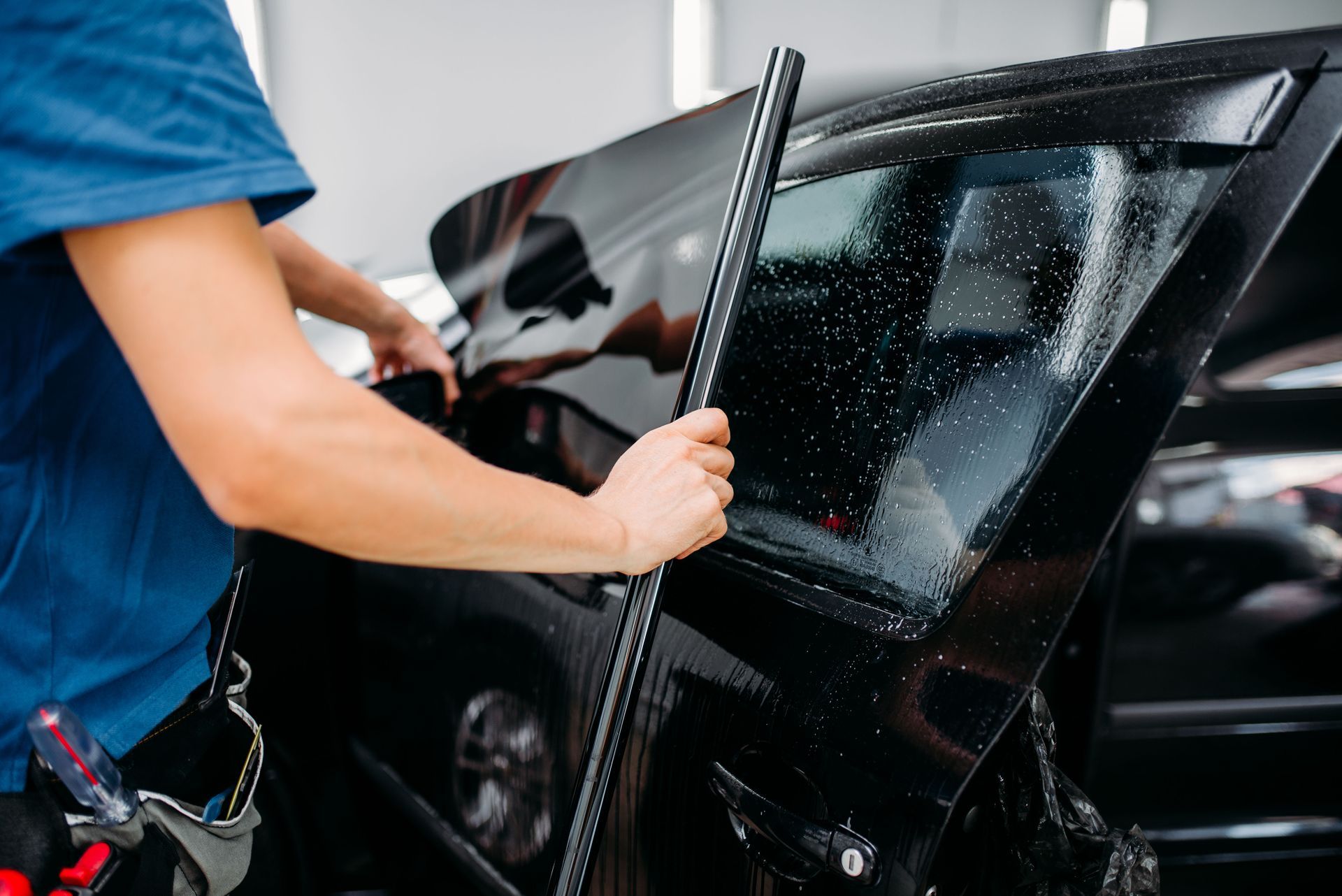
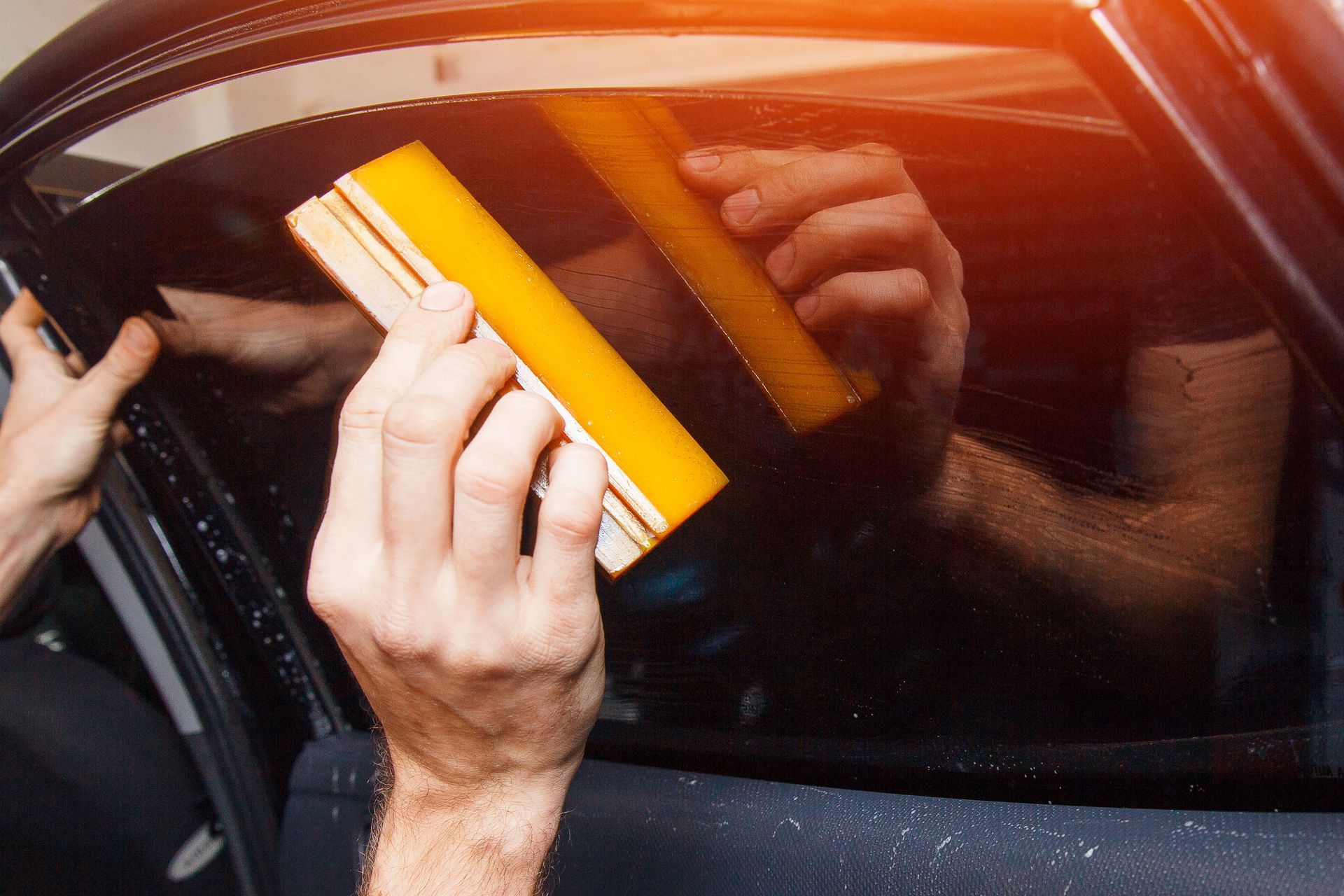
The benefits of a car window tint are only fully realized when installed correctly. Professional installation ensures a smooth, bubble-free application and proper fit for each window. DIY kits may save money upfront, but mistakes such as wrinkles, bubbles, or uneven coverage are common and can reduce both appearance and effectiveness.
When selecting an installer, research customer reviews, certifications, and warranties. Comparing quotes ensures you find a provider that balances quality and cost. Many professional services offer guarantees covering peeling, fading, or defects, giving additional confidence in the investment.
Proper installation also ensures compliance with local regulations, avoiding potential legal issues. A professionally installed tint maximizes heat reduction, UV protection, privacy, and aesthetic appeal, making it a long-term value addition to your vehicle.
6. Consider Costs and Budget
The cost of a car window tint depends on several factors, including the type of film, vehicle size, and installation quality. Dyed films are generally the least expensive, while ceramic and hybrid films cost more due to advanced performance and longevity. While the initial investment may be higher for premium films, the long-term benefits often justify the cost through improved UV protection, heat reduction, and durability.
It’s also important to account for potential compliance costs if your tint does not meet local regulations, as removal or replacement can add to the total expense.
Budgeting carefully allows you to select a tint that meets your needs, stays within legal limits, and provides lasting benefits without surprises.
7. Maintain Your Window Tint
Proper maintenance is essential to prolong the life of your tint. Avoid ammonia-based cleaners and abrasive tools, which can damage the film. Use soft cloths and gentle cleaning solutions to maintain clarity and effectiveness.
Limiting direct sunlight, using sunshades, and following post-installation care instructions helps prevent peeling or fading. Regular inspections allow you to catch minor issues early, ensuring the tint continues to provide heat reduction, UV protection, and aesthetic benefits over time.
A well-maintained tint protects passengers, preserves your vehicle’s interior, and keeps your car looking sharp for years.
A car window tint offers multiple benefits, from reducing heat and glare to protecting UV-sensitive skin and interior surfaces. Properly selecting the type of film, understanding legal requirements, choosing professional installation, and maintaining the tint are essential to maximize these advantages.
By considering all these factors, you can enjoy improved comfort, privacy, safety, and style while avoiding potential legal or performance issues. A professionally installed, high-quality window tint not only enhances the driving experience but also adds long-term value to your vehicle.
When you’re ready to upgrade your car with a durable, legally compliant tint, contact Custom Sun Control. Our experience ensures professional installation from our award-winning installers, top quality films, and results that combine protection, privacy, and style for your vehicle.