September 23, 2026
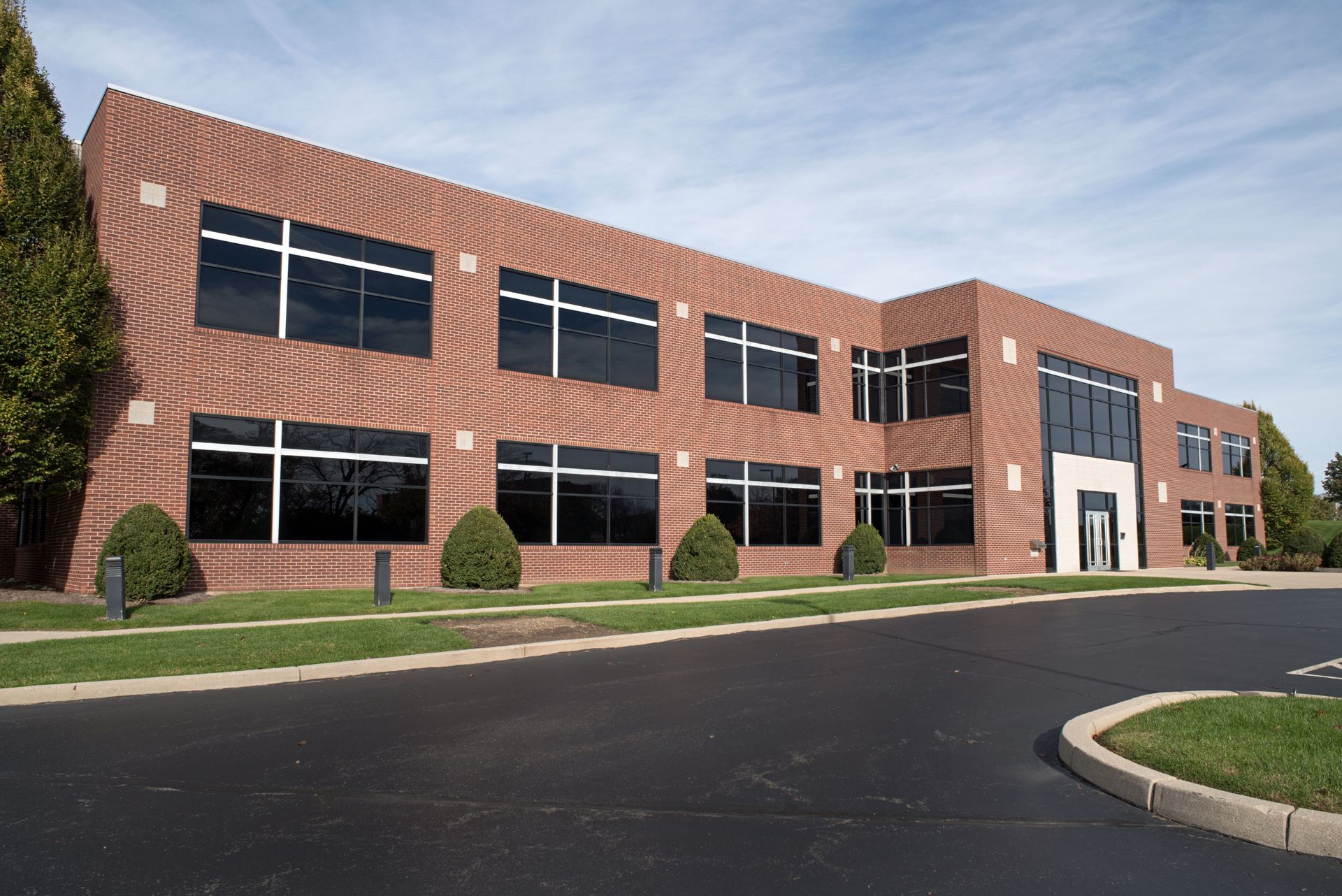
Modern office spaces feature expansive glass panels to let natural light stream into the work environment. While natural light offers many benefits, unfiltered sunlight causes significant issues for businesses of all sizes. Sun rays bring intense heat and blinding glare into the workspace. Employees find it difficult to focus when the environment becomes uncomfortable. Many companies search for solutions to manage these sunlight-related problems without losing the aesthetic appeal of glass architecture.
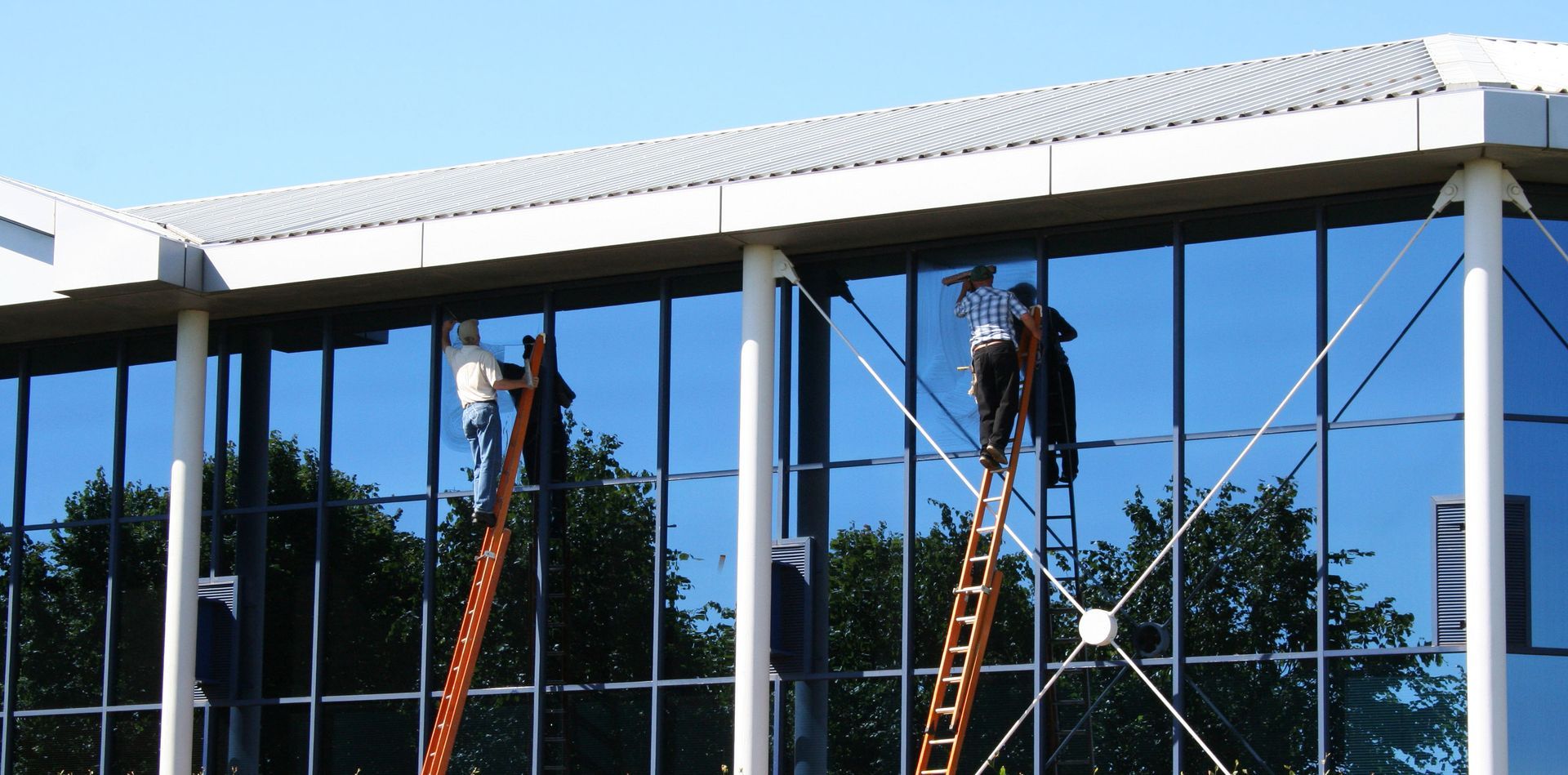
An effective solution exists to balance light and comfort in professional corporate environments. Applying commercial window tinting provides a protective barrier against harsh solar elements. This upgrade transforms standard glass into a functional asset for any corporate building. By addressing temperature fluctuations and visual distractions, companies create a better, more inviting atmosphere for their workforce. The benefits extend beyond simple aesthetics, impacting daily operations and overall employee satisfaction.
Elevating Workplace Comfort Through Heat Reduction
Maintaining a consistent indoor temperature is a constant struggle for facility managers. Wide windows allow thermal energy to penetrate the building envelope, causing interior spaces to warm. Air conditioning systems work without pause to counteract this solar heat gain. Employees sitting near untreated windows experience uncomfortable warm zones, leading to complaints and distractions. Uneven temperatures across the floor plan make it impossible to maintain a comfortable environment for all occupants in the building.
Adding a protective film to the glass changes the thermal dynamics of the building. According to Market.us News, commercial window tinting can block 60% of heat, which leads to cooler buildings. This reduction in solar heat gain stabilizes the interior climate, regardless of the sun's position outside the building. Facility managers notice fewer temperature complaints from staff members stationed near exterior walls.
The cooling effect creates a pleasant workspace throughout the day. Instead of adjusting personal fans or wearing extra layers, employees experience steady conditions. A stable temperature allows workers to maintain concentration on their daily tasks without interruption. Comfort correlates with a positive workplace attitude and better employee engagement. Staff members appreciate an environment that prioritizes their physical well-being. A comfortable team is a focused team.
Eliminating hot spots expands the usable square footage within a corporate layout. Desks abandoned due to excessive afternoon heat become prime real estate again. Space utilization improves when every corner of the office remains temperate and inviting. This optimization helps growing businesses make the most of their current corporate facilities without needing relocation. The investment in temperature management yields returns in spatial efficiency.
Boosting Employee Productivity Through Glare Reduction
Bright sunlight bouncing off computer screens creates severe visual discomfort for office workers. Screen glare forces employees to squint, causing eye strain and fatigue over time. Workers resort to pulling down heavy blinds, which block the view and plunge the office into darkness. Artificial lighting then becomes necessary, defeating the entire purpose of having large architectural windows. This constant battle against glare disrupts workflow and diminishes output.
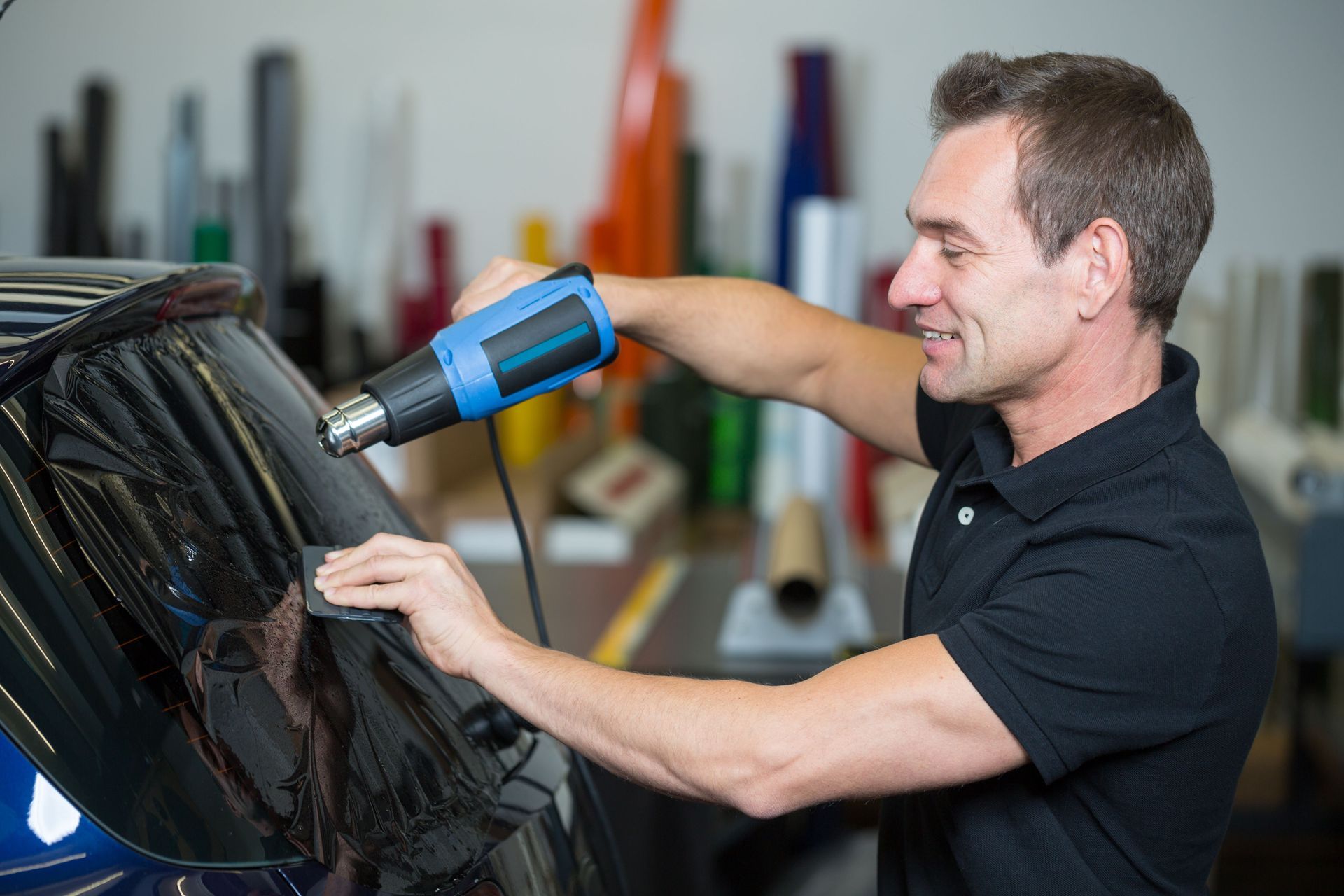
Installing commercial window tinting filters the harsh rays before they reach computer monitors. The film acts like sunglasses for the building, allowing soft natural light to enter while blocking the intense, blinding solar beams. Employees view their screens without battling reflections or suffering from eye fatigue. Visual comfort allows staff members to work for extended periods without experiencing headaches or needing frequent breaks to rest their eyes.
Retaining natural light without the negative side effects boosts mood and motivation among the staff. Access to natural daylight helps regulate circadian rhythms, keeping workers alert and energetic throughout the afternoon. When employees feel awake and comfortable, their productivity metrics improve. Tasks that require intense focus become easier to complete in a well-lit, glare-free environment. Companies observe a noticeable decrease in errors and an increase in overall work quality.
Maintaining a connection to the outside world reduces workplace stress. Employees enjoy gazing at the city skyline or nature without squinting through intense glare. This visual break gives the mind a chance to reset, fostering creativity and problem-solving skills. A workspace that embraces filtered natural light cultivates a dynamic and inspired workforce. The physical environment plays a crucial role in shaping employee performance.
Enhancing Office Security Through Shatter Resistance
Corporate safety remains a primary concern for business owners and facility directors worldwide. Glass windows represent a vulnerable point in any building perimeter. Severe weather, accidental impacts, or deliberate vandalism threaten the structural integrity of these glass panels. Broken glass poses a severe risk of injury to people standing close to the perimeter and exposes the office interior to the outside elements. Protecting these vulnerable entry points requires a proactive approach.
Certain types of commercial window tinting provide an added layer of physical security. The strong adhesive holds shattered glass fragments together upon impact. Instead of exploding inward, the broken pane remains in the frame. This containment prevents dangerous shards from flying across the office and injuring staff members. Providing a secure work environment is essential for business continuity and corporate risk management.
The shatter-resistant properties deter unauthorized entry into the premises. Intruders rely on quick access through broken windows to bypass locked doors. When the glass refuses to shatter and fall away, the entry attempt takes more time and causes extra noise. This delay alerts building security personnel and discourages the intruder from continuing the attempted breach. The office contents and sensitive data remain protected behind the reinforced barrier.
Beyond human threats, the protective film shields the office during severe storms. High winds propel debris against the building exterior with tremendous force. The reinforced glass withstands these impacts better than untreated windows. Minimizing weather-related damage prevents costly downtime and expensive repairs. Business operations continue with minimal disruption when the facility remains secure against extreme external environmental forces. A resilient building structure supports long-term corporate stability.
Improving Asset Longevity Through UV Protection
Sunlight contains ultraviolet radiation that causes gradual damage to interior furnishings and fixtures. Prolonged exposure fades carpets, bleaches wooden furniture, and degrades delicate upholstery fabrics. Replacing these corporate assets represents a significant ongoing expense for any organization. Artwork and decorative design elements lose their vibrancy when subjected to daily sun exposure. The aesthetic degradation makes the office look worn and unprofessional to visiting clients.
Utilizing commercial window tinting stops ultraviolet rays from penetrating the glass. The specialized film acts as a sunscreen, blocking harmful radiation while letting visible light pass. Office furniture retains its original color and structural integrity for a much longer period. Facility budgets stretch further when premature replacement of interior decor is no longer necessary. Preserving these investments is a smart financial strategy for businesses.
Protecting the interior decor maintains a pristine and professional appearance. A well-maintained office impresses visiting clients and potential business partners. The environment reflects the attention to detail and high standards of the organization itself. Employees take pride in working in a clean, vibrant, and well-kept space. The visual aesthetic appeal of the workplace contributes to a strong corporate brand identity and promotes a sense of excellence.
Ultraviolet protection extends to the health and safety of the workforce. Skin exposure to ultraviolet radiation during work hours causes health concerns for employees seated near large architectural windows. The protective film mitigates this risk by filtering out the dangerous solar rays. Prioritizing occupant health demonstrates a clear commitment to comprehensive employee welfare. A safe and comfortable team forms the foundation of a successful enterprise.
Optimizing the physical workspace requires addressing the challenges presented by natural sunlight. Implementing commercial window tinting offers a multifaceted approach to workplace improvement. The simple addition of a protective film transforms standard glass into a climate-control tool, a glare reducer, a security feature, and an asset preserver. Companies that invest in these enhancements create superior environments for their teams. The benefits ripple outward across the entire company, improving daily operations and supporting long-term business goals. Reach out to us at Custom Sun Control today to discover how our commercial window tinting can transform your office. We are eager to help you create a cooler, safer, and more productive workspace for your team.