November 25, 2026
Many drivers associate tinted windows with dark glass and a customized appearance. However, modern automotive films offer benefits beyond aesthetics, including improved comfort, reduced glare, and protection against sunlight. Misconceptions about their performance, legality, and maintenance still influence purchasing decisions. Some vehicle owners assume every film is excessively dark, while others worry about visibility or damage to their windows. Understanding how window tinting works helps drivers distinguish outdated assumptions from practical information. Exploring seven common misconceptions can make it easier to compare products, understand installation requirements, and choose a solution that suits everyday driving needs.
1. Debunking the Myth That All Window Films Are Dark
One common misconception is that every automotive film creates extremely dark windows. Although darker shades are available, modern products come in many transparency levels. Some films are nearly clear while still offering protection against sunlight. Manufacturers provide different options to accommodate personal preferences, vehicle designs, and legal requirements. Drivers who want to preserve their vehicle's original appearance can often select lighter products without giving up important functional benefits.
Professional window tinting allows vehicle owners to select films based on their priorities rather than appearance alone. Visible light transmission ratings indicate how much light passes through treated glass. Higher percentages generally mean lighter results, while lower percentages indicate darker options. Installers can explain these measurements and demonstrate different shades before installation. This guidance helps customers balance appearance, daytime visibility, nighttime driving conditions, and local regulations.
2. Debunking the Myth That Tinted Windows Are Always Illegal
Another widespread misconception suggests that applying film to vehicle windows automatically violates traffic regulations. In reality, many jurisdictions permit automotive films when they meet specific requirements. These rules commonly address visible light transmission, windshield coverage, and reflectivity. Requirements may differ between front side windows, rear windows, and back windows. Regulations also vary by state, so a product permitted in one location might not meet another state's standards.
Experienced installers can explain common legal considerations and identify products designed to meet local requirements. However, drivers remain responsible for confirming that their vehicles comply with applicable laws. Selecting an extremely dark film without checking regulations can lead to citations or required removal. Some jurisdictions also have special rules concerning medical exemptions or reflective materials. Rather than assuming all tinted windows are prohibited, vehicle owners should review the relevant requirements and choose a film that supports both compliance and comfortable driving.
3. Debunking the Myth That Window Films Only Improve Appearance
Although attractive windows are a popular reason for choosing automotive films, their benefits extend beyond cosmetic improvements. Quality products can reduce glare, limit solar heat entering the cabin, and help protect interior surfaces from prolonged sunlight exposure. These features may make daily commuting more comfortable, particularly during bright afternoons or extended highway trips. Reduced glare can also make certain driving conditions less distracting, although maintaining clear visibility remains essential. Practical performance can be just as important as a film's finished appearance.
Ultraviolet protection represents another benefit of window tinting. According to 3M, window films can prevent as much as 99% of harmful ultraviolet radiation from passing through treated glass. This protection can help reduce ultraviolet exposure and limit sunlight-related deterioration of upholstery and dashboard materials. Actual performance depends on the specific product, so customers should review manufacturer specifications before purchasing. Not every film offers identical protection, and a darker appearance does not automatically guarantee stronger ultraviolet blocking. Comparing verified features helps drivers identify worthwhile options.
4. Debunking the Myth That Darker Films Always Provide Better Heat Protection
Many drivers assume darker windows automatically provide the greatest reduction in cabin temperatures. While visible darkness influences how much light enters a vehicle, it does not independently determine heat rejection. Different films use specialized materials and manufacturing technologies to manage solar energy. Some advanced products can reject substantial infrared energy without creating an especially dark appearance. Consequently, two films with similar shades may deliver different comfort levels during warm weather.
When comparing window tinting options, customers should examine performance specifications rather than relying exclusively on color. Measurements such as total solar energy rejection can provide useful information about heat management. Infrared rejection figures may also help, although testing methods and measurement ranges differ between manufacturers. Professional installers can explain these specifications and recommend products suited to individual driving habits. Someone seeking a lighter appearance with strong heat protection may have several suitable choices.
5. Debunking the Myth That Window Films Damage Automotive Glass
Some vehicle owners worry that applying film will permanently damage their windows or interfere with normal glass operation. Properly selected automotive films are designed for compatible vehicle glass surfaces. When installed correctly, they adhere to the interior glass without requiring structural modifications. Problems such as scratches, damaged defroster lines, or adhesive residue are more often associated with improper installation, unsuitable materials, or careless removal.
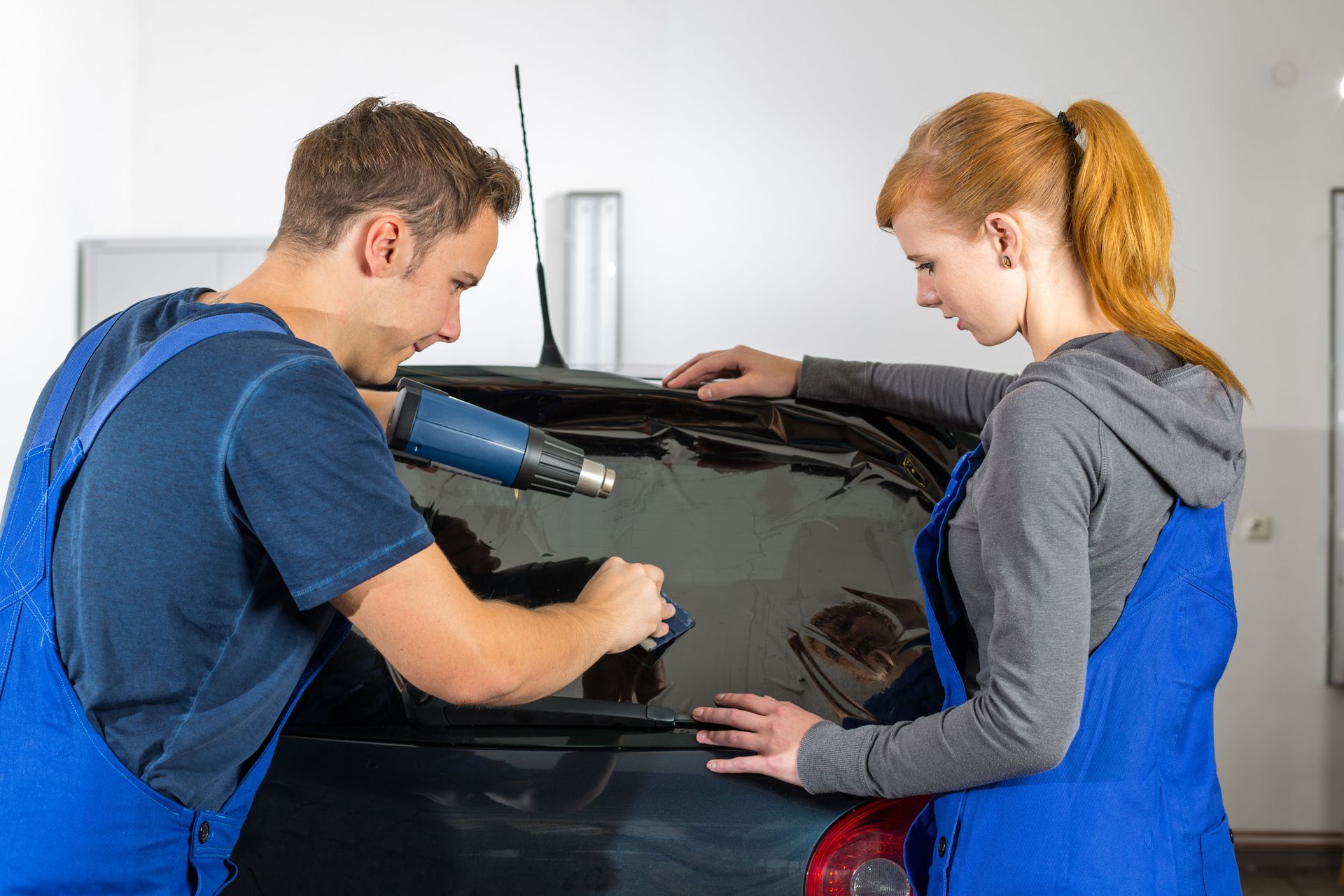
Professional window tinting involves cleaning the glass, preparing accurately sized film sections, and applying materials with suitable tools. Installers also consider rear-window defrosters and existing glass treatments. Careful preparation helps reduce trapped debris, visible imperfections, and adhesion problems. Although no installation is completely immune to defects, experienced workmanship improves the likelihood of satisfactory results. Owners should follow recommended cleaning instructions afterward and avoid attempting aggressive removal methods that could damage nearby components or delicate window features.
6. Debunking the Myth That Window Films Require Constant Maintenance
Another misconception is that tinted windows demand complicated cleaning routines and frequent professional attention. In most cases, properly installed automotive films require straightforward maintenance. Once the adhesive has cured according to the installer's instructions, owners can generally clean treated windows using compatible products and soft materials. Ammonia-free cleaners are commonly recommended, although manufacturer guidance should take priority. Avoiding abrasive pads, sharp objects, and harsh chemicals helps protect the film surface from unnecessary scratches and premature deterioration.
Newly installed film may need time to cure completely. Temporary haziness or small moisture pockets can appear during this period and gradually disappear as remaining moisture evaporates. Curing times depend on weather conditions, film characteristics, and installation methods. Following recommendations about opening windows and cleaning treated surfaces helps prevent avoidable damage. With appropriate care, quality films can maintain their appearance and functionality for years.
7. Debunking the Myth That Every Window Film Performs the Same
It is easy to assume automotive films deliver comparable results because many products look similar after installation. However, substantial differences exist in construction, durability, optical clarity, and solar performance. Common categories include dyed, metalized, carbon, and ceramic films, each offering different characteristics. Some products prioritize affordability and appearance, while others emphasize heat rejection, signal compatibility, or long-term color stability. Understanding these distinctions is useful when comparing installation estimates and determining which features justify additional investment.
Choosing window tinting based solely on the lowest advertised price may overlook differences in material quality and workmanship. Customers should ask about product specifications, manufacturer warranties, installation guarantees, and expected durability. Certain lower-quality films may discolor, bubble, or deteriorate sooner than premium alternatives. Reputable installers can explain available options without assuming the most expensive choice is necessary for everyone. Comparing overall value helps drivers select films that match their expectations, budgets, and intended vehicle ownership periods.
Understanding these seven misconceptions makes it easier to evaluate automotive films with realistic expectations. Modern products offer choices in transparency, solar performance, durability, and appearance, while proper installation and maintenance contribute to dependable results. Instead of relying on assumptions about darkness, legality, or upkeep, drivers should consider product specifications and individual priorities. Professional window tinting can improve comfort and help protect vehicle interiors when suitable materials are selected. Whether you want reduced glare, improved heat management, or a refreshed vehicle appearance, knowledgeable guidance can help you make a confident decision. Contact Custom Sun Control today to explore your options and schedule a consultation.