November 24, 2026
Vehicle owners invest significant resources in purchasing automobiles. Maintaining the pristine condition of these investments requires continuous effort, particularly regarding the cabin environment. Sunlight penetrates untreated automotive glass with intense, damaging force. The resulting ultraviolet radiation wreaks havoc on upholstery, plastics, and fabrics over time. Constant exposure causes vibrant colors to fade and sturdy materials to weaken. Preserving the showroom quality of an automobile necessitates proactive measures against these harsh environmental elements.
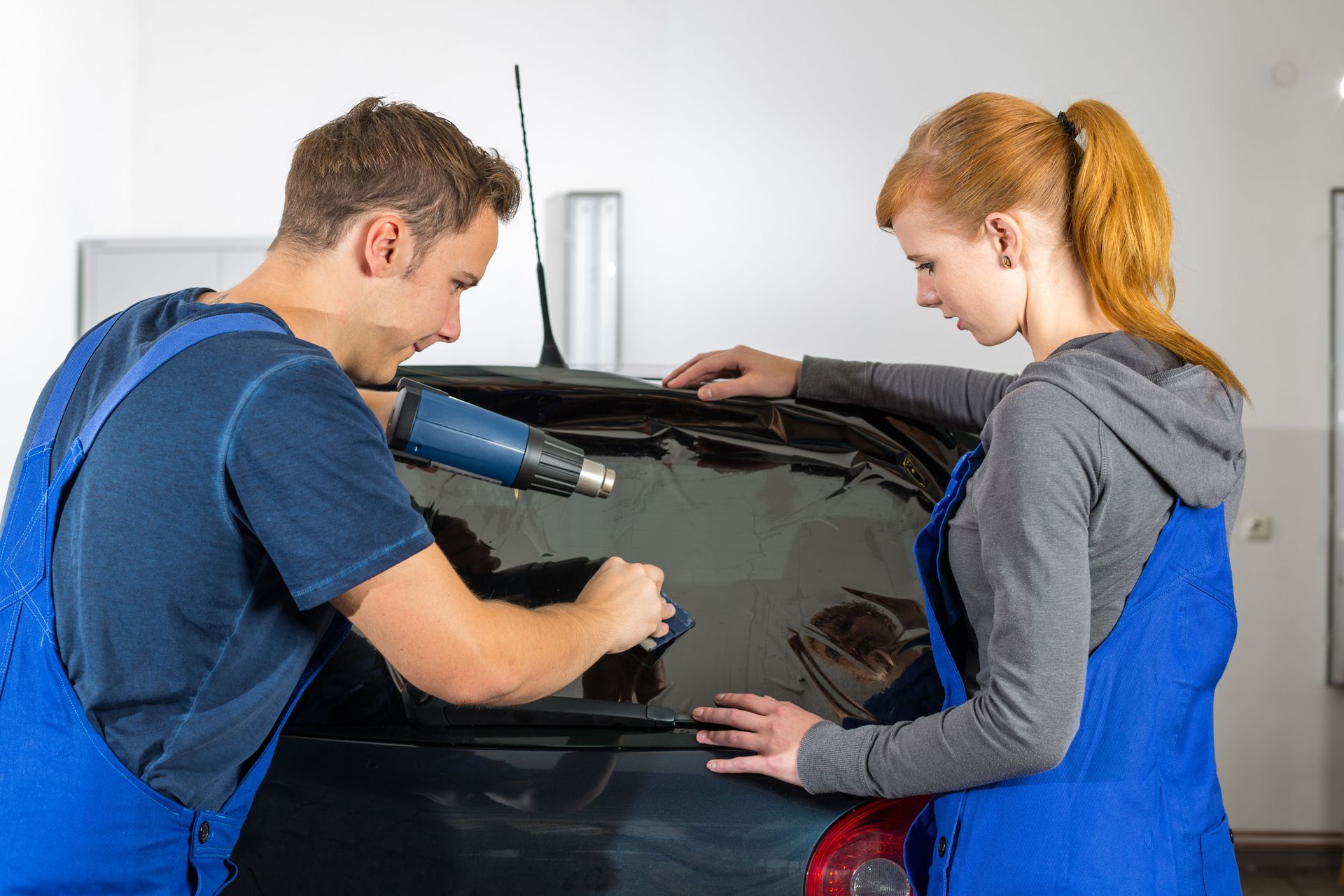
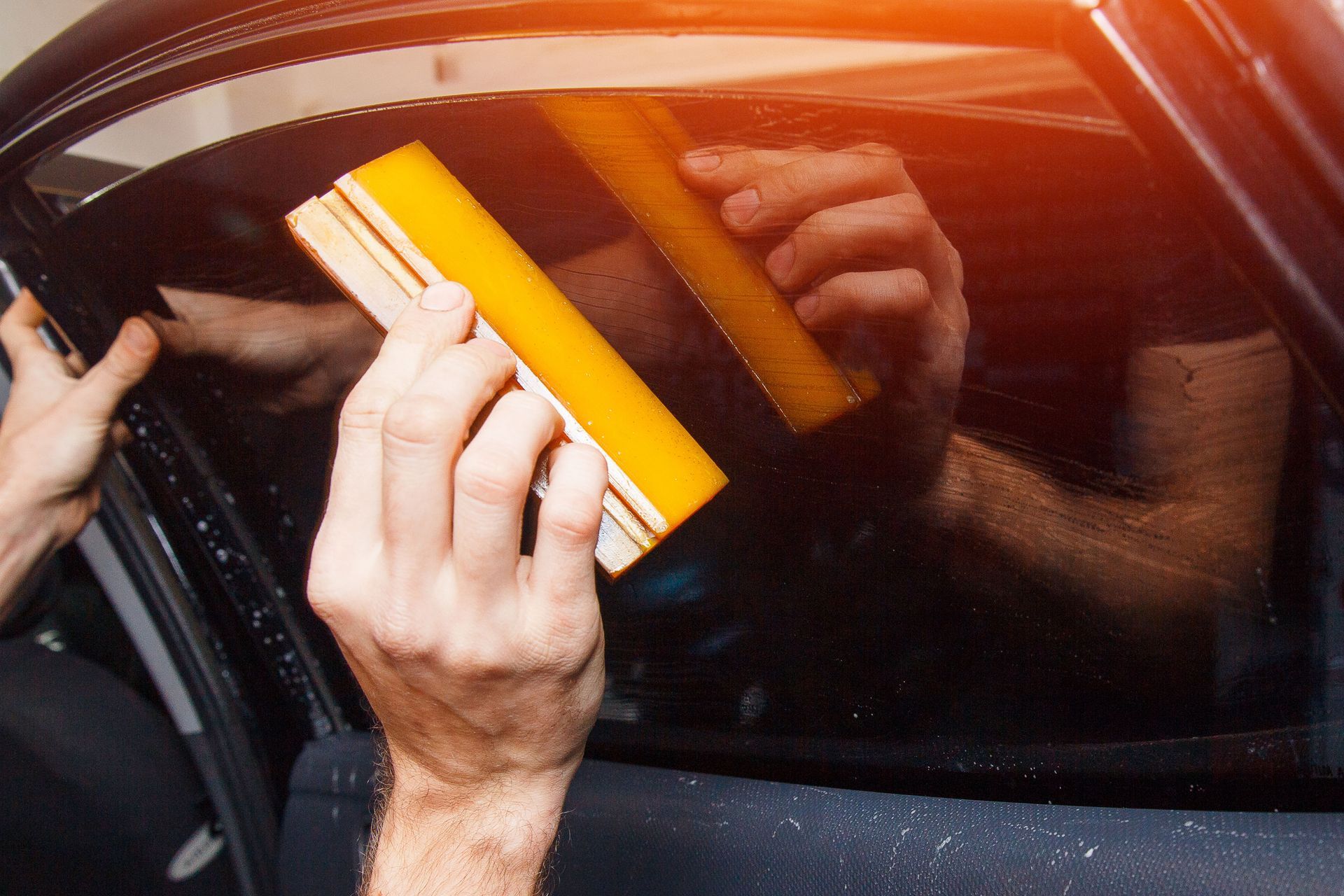
Applying a protective film to the glass serves as a formidable defense mechanism against the elements. This process, known as window tinting, creates an invisible barrier that intercepts harmful rays before they reach delicate interior components. The film acts as a shield, reflecting and absorbing intense solar energy. By reducing the volume of ultraviolet radiation entering the cabin, the film extends the lifespan of surface materials. Such protection maintains the structural integrity and visual appeal of the automobile over long durations.
Shielding Upholstery From Sun Damage
Automotive fabrics endure immense stress from daily environmental exposure. Ultraviolet rays possess high energy levels that break down complex chemical bonds within industrial dyes. When sunlight streams through unprotected glass, it initiates an unstoppable degradation process in the fabric. Colors lose their original vibrancy, turning dull, muted, and washed out. The transformation happens at a gradual pace, going unnoticed until the visual damage becomes severe.
Synthetic and natural fibers both suffer under intense, unrelenting solar radiation. Structural fibers become brittle and frail when subjected to relentless heat and harsh light. Weakened threads are susceptible to tearing under normal passenger use and friction. A plush seat cover can transform into a fragile, fraying mess due to this solar degradation. Replacing damaged upholstery demands significant financial expenditure from the automobile owner.
Installing high-quality window tinting mitigates these destructive forces with great efficiency. The dark film blocks a massive percentage of ultraviolet radiation from entering the cabin space. By filtering out the damaging spectrum of light, the protective layer preserves the molecular structure of the fabric dyes. Materials retain their rich colors and original texture for extended periods. This addition saves the seats from certain deterioration.
Vehicle occupants benefit from the preserved comfort of the seats during commutes. Intact upholstery provides proper back support and aesthetic pleasure for passengers. The cabin remains an inviting, pleasant environment rather than a deteriorated space. Protecting these delicate materials ensures the vehicle retains maximum monetary value. Shielding the seats from raw solar energy remains a paramount concern for proper automotive maintenance and long-term care.
Preventing Leather From Premature Aging
Leather interiors represent luxury and require meticulous care to remain supple. This natural material contains moisture and natural oils that provide flexibility and comfort. Sun exposure acts as a relentless dehydrator, stripping these vital elements from the premium hide. Without adequate moisture, the leather shrinks, stiffens, and loses its luxurious feel. The surface becomes tough, resembling rough cardboard rather than a premium automotive seating component.
As the dehydration process continues, microscopic fissures begin to form on the surface. These small cracks expand over time, creating deep crevices across the seats and the steering wheel. Dirt and debris accumulate within these cracks, accelerating the physical breakdown of the material through friction. The visual appeal diminishes as the pristine surface gives way to a ruined texture. Restoring ruined leather is an arduous task that ends in complete material replacement.
Applying window tinting halts this rapid dehydration cycle in its tracks. The protective barrier reduces the overall heat transfer into the enclosed vehicle cabin. Lower ambient temperatures prevent the essential natural oils from evaporating from the leather surfaces. The material maintains its necessary moisture balance, remaining soft and pliable under the pressure of passenger weight. The seating surfaces avoid the stiffening effects of extreme thermal baking.
Supple leather resists tearing and cracking during regular daily use. Passengers can slide across the seats without causing micro-abrasions to the delicate material. The rich aroma and smooth texture of the hide persist through years of vehicle operation and commuting. Safeguarding this premium material preserves the luxurious atmosphere of the automobile. The interior continues to exude elegance and sophistication for the lifespan of the vehicle.
Blocking Heat From Dashboard Materials
The dashboard occupies a vulnerable position at the front of the cabin. Positioned directly under the expansive windshield, this component receives the maximum concentration of direct solar radiation. The angle of the glass amplifies the intense sun, baking the dashboard surfaces without mercy. Temperatures in this zone reach extreme levels on bright summer days. The synthetic materials endure a brutal cycle of extreme heating and cooling.
Modern dashboards consist of complex plastics, molded vinyl, and industrial adhesives. These synthetic components suffer under intense thermal expansion and rapid contraction. The constant temperature shifting causes the materials to warp, buckle, and distort out of their original shape. Over time, the structural limits are surpassed, and the dashboard splits open. A cracked dashboard creates an unsightly blemish that ruins the aesthetic harmony of the front cabin.
A precise application of window tinting provides crucial thermal regulation for this vulnerable front zone. The film rejects a significant portion of solar energy, preventing the dashboard from reaching critical, material-damaging temperatures. By moderating the intense heat buildup, the protective layer minimizes thermal expansion within the hard plastics. The structural integrity of the vinyl remains intact and free from stress fractures. The front console avoids catastrophic material failure.
Hidden adhesives holding the dashboard components together also benefit from this strict temperature control. Extreme heat melts factory glues, causing trim panels to peel or rattle during highway operation. A cooler cabin environment ensures these chemical bonds remain secure and solid. The dashboard retains its original factory alignment and smooth, seamless appearance. Protecting this prominent area is vital for preserving the overall interior structural condition.
Maintaining Aesthetics From UV Exposure
Beyond seats and dashboards, the cabin contains numerous other vulnerable components. Door panels, center consoles, and floor carpeting suffer under the silent assault of ultraviolet rays. Plastics fade from deep black to a chalky gray color over time. Wood trims lose their glossy finish, turning cloudy and dull in appearance. The entire interior ecosystem degrades in unison when left exposed to the harsh outdoor elements.
Widespread fading creates a mismatched and aged appearance inside the luxury automobile. A well-maintained engine and spotless exterior cannot compensate for a deteriorated, faded cabin. Potential buyers judge a vehicle based on the condition of the driver's environment. A faded, cracked interior signals general neglect and diminishes the overall resale value of the automobile. Protecting these combined aesthetics requires a comprehensive, vehicle-wide defense strategy.
Applying window tinting offers this necessary comprehensive protection for every surface. The film covers the glass panes, ensuring no area of the cabin remains exposed to raw sunlight. Every panel, carpet fiber, and trim piece receives the same high level of ultraviolet shielding. According to Market.us News, a standard window tint usually lasts about five years. This extended duration provides consistent, long-term defense against irreversible aesthetic degradation.
The harmonious look of the interior remains pristine and unified over time. Colors stay true, and varied surfaces maintain their intended original textures. The automobile feels newer and more inviting to all occupants who enter. A well-preserved cabin reflects thorough maintenance and immense care by the vehicle owner. Safeguarding the collective aesthetics ensures the vehicle commands top value in the competitive secondary automotive market.
Investing in quality window tinting provides the ultimate invisible shield against solar damage. The film filters out harmful rays, regulates internal cabin temperatures, and preserves the structural integrity of delicate materials. Protecting the interior ensures the automobile remains a beautiful, comfortable environment for years of enjoyable driving and commuting. Let Custom Sun Control protect your investment with our professional window tinting services. We are ready to help you preserve your vehicle's interior against fading and cracking today.